
Treatment Guide · Hair Loss Treatment
Non-surgical Hair Care
Non-surgical Hair Loss Treatment
A non-surgical treatment that manages the remaining hair according to the type of hair loss and scalp condition

ABOUT
What is non-surgical hair loss treatment?
- 01
Non-surgical hair loss treatment is a program that first assesses the extent of hair loss and the condition of the scalp and hair, then centers on oral and topical medications while combining scalp injections or PRP when needed.
- 02
Scalp imaging and any necessary tests are used to identify the type of hair loss and select treatment suited to the individual.
- 03
When sudden hair shedding, alopecia areata, or inflammatory hair loss is suspected, the cause is assessed first before deciding on a treatment direction.
HOW IT WORKS
How does it work?
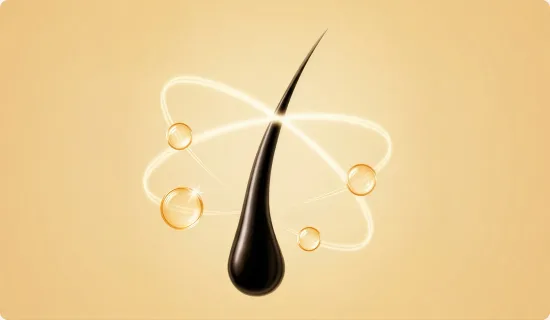
Each treatment works differently. Finasteride and dutasteride reduce DHT production to slow the progression of androgenetic hair loss, while minoxidil is used to support hair growth.
PRP, scalp injections, and low-level laser therapy may be considered as adjunctive options depending on the condition. Prescriptions and combinations are determined by the type of hair loss, sex, and health status.
MAIN TREATMENT AREAS
- M-shaped hairline
- Hairline
- Crown
- Part line
- Entire scalp
RECOMMENDED FOR
Suitable candidates
- 01
People who feel they are shedding more hair while showering or brushing
- 02
People whose hair has become finer and whose scalp is more visible at the M-shaped hairline, crown, or part line
- 03
People who want to care for their existing hair before deciding on a hair transplant
- 04
People who want to continue caring for non-transplanted existing hair before and after a hair transplant
BENEFITS
Potential benefits

- 01Helps reduce hair shedding and slow the progression of hair loss
- 02Helps improve the thickness and strength of thinning hair
- 03Gradual reduction in visible scalp at the M-shaped hairline, crown, and part line
- 04Ongoing hair loss care without incisions or transplantation
KEY POINTS
Key treatment points

- 01First assess the type and timing of hair loss progression and the scalp condition
- 02Use oral and topical medications as the foundation and add adjunctive treatments when needed
- 03Select treatment with consideration for sex, pregnancy potential, underlying conditions, and current medications
- 04Compare progress over several months using photographs or scalp images taken under the same lighting and angle
RESULT JOURNEY
How results may change over time
Changes in the amount of shedding may be noticed as early as around three months, but progress is generally compared after consistent treatment for at least three to six months. Changes in hair thickness and density may appear gradually over six to twelve months. Responses vary by individual, and maintained effects may diminish if medication is stopped.
INEE APPROACH
How INEE approaches this treatment
- 01
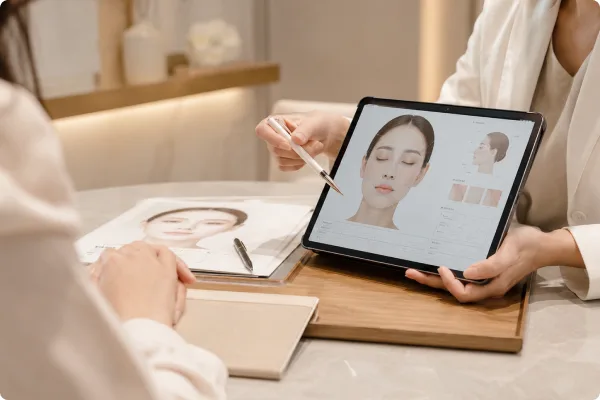
We review when the hair loss began, family history, and lifestyle habits.
- 02
We examine the scalp and hair condition to first determine whether medication is needed.
- 03
Scalp injections, PRP, and other options are selected as adjunctive treatments according to the condition and goal.
- 04
We compare progress using photographs or scalp imaging and adjust the treatment plan.
RECOVERY & CARE
What to know before and after treatment

Before treatment
Tell us about any oral or topical hair-loss medications, anticoagulants, hormone medications, and underlying conditions. If you are pregnant or may become pregnant, be sure to inform the medical team. Sudden shedding, round bald patches, or severe scalp inflammation should be evaluated for the cause first.

Immediately after & recovery
Medication does not require a separate recovery period, but scalp irritation or systemic side effects may occur depending on the individual. After scalp injections, temporary redness, stinging, tenderness, or small areas of swelling may occur, though most people can continue their daily activities.

Aftercare
Do not increase or stop prescribed medication on your own; consult the clinic if you experience an unusual reaction. For 24 to 48 hours after scalp injections, avoid vigorous scalp massage, irritating shampoo, and hot hair dryers, and refrain from strenuous exercise and alcohol on the day of treatment.

NEXT STEP
Find the treatment plan that is right for you through consultation
The right treatment approach may vary depending on your current skin condition and the changes you want. Start with a comfortable consultation.